Introduction to Science
 
Science is the systematic study of the natural world through observation, experimentation, and logical reasoning.
 
MixCollage-25-Mar-2026-10-44-AM-3866.jpg
Curiosity
 
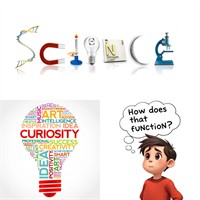
Science starts with curiosity. We ask things like "Why does this happen?" or "How does this work?" As we learn, we do not just learn facts; we learn new facts. Science is always evolving because we learn new things, and for each new thing we learn, we ask new questions. This makes science a continuous and active process of exploration.
Curiosity is the driving force that motivates scientists to explore unknown ideas and phenomena.
Evolution of Scientific Learning
 
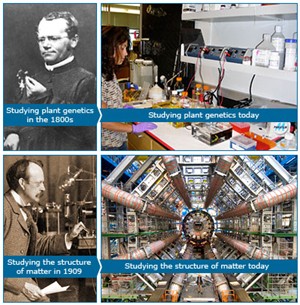
As we grow in learning, we develop deeper scientific thinking. In earlier stages, we observe and wonder, then we understand that knowledge changes, and finally, we begin to investigate actively. Scientific knowledge evolves and improves over time as new evidence emerges.
 
mendel_thompson.jpg
Evolution of Scientific Learning
 
In Grade 6, we develop curiosity and a sense of wonder about the world around us. In Grade 7, we deepen this curiosity and understand that science is constantly evolving with discoveries and ideas. By Grade 8, we actively investigate and analyse scientific concepts to explore ideas and draw meaningful conclusions.
 
Scientific Questions from Everyday Life
 
We observe many changes and phenomena in our daily lives, which help us formulate scientific questions. For example, when we see dough rising, a puri swelling, or the Moon changing shape, we begin to wonder about the reasons behind these changes. These simple observations can lead to meaningful scientific questions that we can investigate.

Good scientific questions are clear, focused, and based on observation. They help us think in a structured way and guide us toward finding answers through investigation.
 
Investigative world of science:
Scientific investigation is a systematic process of asking questions, observing, experimenting, and drawing conclusions.
 
Scientific thinking: From observation to explanation:

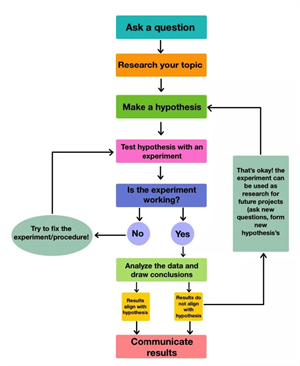
Systematic investigation is a step-by-step and organised method used to study scientific problems logically. We follow a structured approach to ensure that results are accurate, reliable, and repeatable. Scientists use this method in both simple and complex experiments.
 
scientific-method-steps-explained-for-kids_1024x1024.jpg
Scientific thinking

Science follows a step-by-step method:
  1. Observation – Noticing changes or patterns
  2. Questioning – Framing scientific questions to explore possible changes and outcomes.
  3. ExperimentationTesting ideas by changing one factor at a time.
  4. MeasurementRecording time, size, temperature, etc.
  5. Conclusion – Explaining results using logic and evidence.
This process helps students become young scientists.
 
Balance in Science: Root and Kite Concept
 
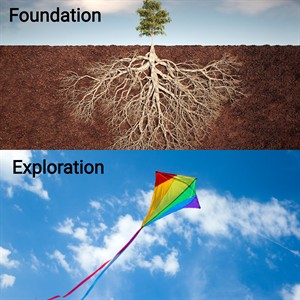
Science works best with a strong knowledge base coupled with creative thinking skills. Although we use facts and observations to be accurate, we also need imagination to explore new ideas and possibilities, which makes us become good investigators and problem solvers.
 
MixCollage-25-Mar-2026-11-58-AM-100.jpg
Root and Kite Concept
 
a. Root - Foundation
 
Root stands for basic knowledge, information, and concepts. It keeps us grounded by making us think and observe things. It enables us to develop a strong foundation for learning, relate scientific concepts to the real world, and ensure we arrive at the right conclusion.
 
b. Kite - Exploration
 
The kite represents creative thinking and curiosity, and it encourages us to ask new and deeper questions. It helps us explore unknown ideas and concepts, supports the development of new hypotheses and discoveries, and allows our thinking to go beyond limitations.
 
Important!
Curiosity, meticulous observation, and study foster the growth of science, which is urged to remain based on evidence while allowing innovative ideas to explore novel possibilities.