

Communicable or infectious diseases:
Diseases that are passed from one person to another through various routes, such as air, water, food, or physical contact, are known as communicable diseases.
Communicable diseases are also known as infectious diseases. These diseases spread through the air, water, food, or vectors (such as insects and other animals). They are caused by small living organisms that we cannot see with the naked eye. These tiny agents are called pathogens. Louis Pasteur proposed the germ theory of disease.
Activity 1: Let's take up an activity where we collect and write down examples of communicable diseases.
Let’s take up an activity where we collect and write down examples of communicable diseases.
How are communicable diseases caused and spread?
A. Diseases spread through the air:
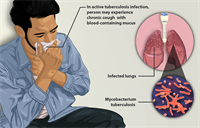
Patient with severe TB
- Disease - Tuberculosis (TB)
- Causative agent - Mycobacterium tuberculosis (bacterium)
- Site of infection - Lungs (respiratory tract)
- Symptoms - Long cough, chest pain, fever, weight loss and night sweats
- Preventive measures - BCG vaccination, covering the mouth when coughing, maintaining good ventilation, and avoiding overcrowding.
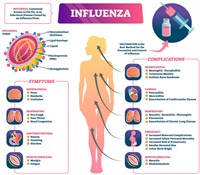
Influenza
- Disease - Influenza (Flu)
- Causative agent - Myxovirus
- Site of infection - Nose, throat and lungs.
- Symptoms - Sudden fever, sore throat, body aches, runny nose, and tiredness.
- Preventive measures - Annual flu vaccine, frequent handwashing, wearing masks, adequate rest, and proper hydration.
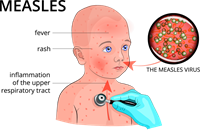
Measles
- Disease - Measles
- Causative agent - Rubeola Virus
- Site of infection - Respiratory tract and skin.
- Symptoms - High fever, red rash, runny nose, cough, and watery eyes.
- Preventive measures - Measles vaccine (MMR), avoiding contact with infected persons, and maintaining a balanced diet.
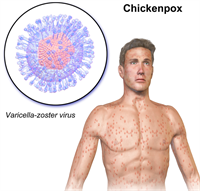
Chickenpox: Varicella-zoster virus
- Disease - Chickenpox
- Causative agent - Varicella-zoster virus
- Site of infection - Respiratory tract, skin.
- Symptoms - Itchy blisters, fever, tiredness, and loss of appetite.
- Preventive measures - Varicella vaccine, isolation of patients, and personal hygiene.
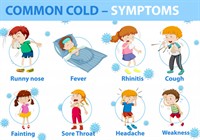
Symptoms of the common cold
- Disease - Common Cold
- Causative agent - Rhinovirus
- Site of infection - Nose and throat.
- Symptoms - Sneezing, a runny nose, mild fever, sore throat, and headache.
- Preventive measures - Good hygiene, handwashing, adequate rest, and avoiding close contact with infected individuals.
B.Diseases spread through contaminated food and water:
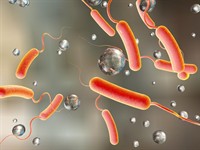
Vibrio cholerae
- Disease - Cholera
- Causative agent - Vibrio cholerae (bacterium)
- Site of infection - Intestine
- Symptoms - Severe diarrhoea, dehydration and vomiting
- Preventive measures - Drink boiled/filtered water, ORS, and maintain food hygiene
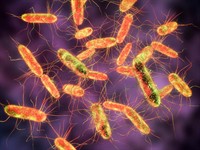
Salmonella typhi
- Disease - Typhoid
- Causative agent - Salmonella typhi (bacterium)
- Site of infection - Intestine
- Symptoms - Prolonged fever, stomach pain, and constipation/diarrhoea
- Preventive measures - Typhoid vaccine, safe water, and proper sanitation
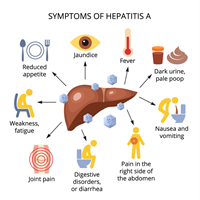
Hepatitis A
- Disease - Hepatitis A
- Causative agent - Hepatitis A virus
- Site of infection - Liver
- Symptoms - Jaundice, fever, nausea, and loss of appetite
- Preventive measures - Safe food and water, Hepatitis A vaccine, proper handwashing
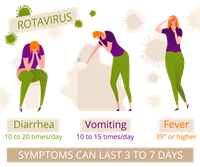
Rotavirus
- Disease - Diarrhoea
- Causative agent - Rotavirus
- Site of infection - Intestine
- Symptoms - Worms in stool, loss of appetite, poor growth, Loose stools, weakness, and dehydration.
- Preventive measures - Clean water, hygienic cooking, and proper waste disposal.
C. Diseases spread by vectors (insects/animals):
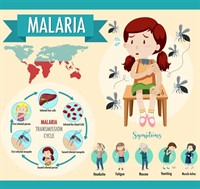
Malarial transmission cycle and symptoms
- Disease - Malaria
- Causative agent - Plasmodium (by female Anopheles mosquito)
- Site of infection - Skin, Blood (RBCs, liver)
- Symptoms - Fever with chills, sweating, and weakness
- Preventive measures - Using mosquito nets, insect repellents, and draining stagnant water.
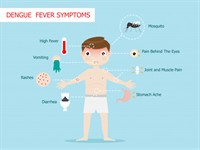
Symptoms of dengue fever
- Disease - Dengue
- Causative agent - Dengue virus (by Aedes aegypti mosquito)
- Site of infection - Skin, Blood (RBCs, liver)
- Symptoms - Fever with chills, sweating and weakness
- Preventive measures - Use of mosquito nets, insect repellents, and drain stagnant water.
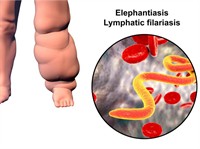
Elephantiasis
- Disease - Filariasis
- Causative agent - Wuchereria bancrofti
- Site of infection - Lymphatic system
- Symptoms - Swelling of legs/genitals (elephantiasis)
- Preventive measures - Mosquito control, and preventive drug treatment.
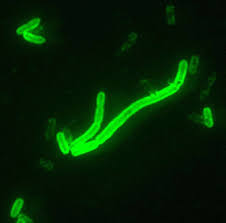
Plague
- Disease - Plague
- Causative agent - Yersinia pestis
- Site of infection - Lymph nodes, lungs
- Symptoms - Fever, swollen lymph nodes, weakness
- Preventive measures -Control of rats/fleas and improve sanitation.
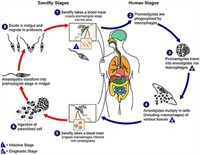
Leishmaniasis
- Disease - Kala azar (leishmaniasis)
- Causative agent - Leishmania donovani
- Site of infection -Spleen, liver, bone marrow
- Symptoms - Prolonged fever, weight loss, enlarged spleen & liver
- Preventive measures -Sandfly control, insecticide spraying, and early treatment
Infectious diseases caused by worms:
Not all infectious diseases are caused by bacteria or viruses. Some are caused by worms that live inside our bodies, mainly in the digestive system.
A parasite is an organism that lives in or on another living being (the host) and depends on it for food and survival.
Example:
- Roundworms: cause stomach pain and poor growth.
- Hookworms: suck blood and cause anaemia.
- Tapeworms: grow inside the intestines and cause weakness.
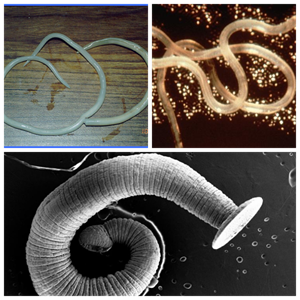
A few disease-causing worms
Non-communicable diseases:
Unlike communicable diseases, non-communicable diseases (NCDs) do not spread from one person to another. Instead, they are caused by our lifestyle, genes, or environment.
The diseases which cannot spread from person to person are known as non-communicable or non-infectious diseases.
Example:
Diabetes, cancer, heart diseases, obesity, arthritis, haemophilia, marasmus, kwashiorkor, osteoporosis, osteoarthritis.
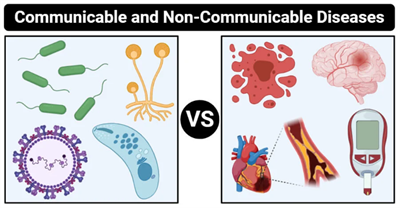
Communicable and Non-communicable diseases
Activity 2: Let’s take up an activity where we collect and write down examples of non-communicable diseases.
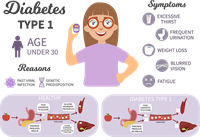
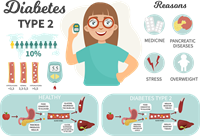
Type 1 Diabetes and Type 2 Diabetes
- Disease: Diabetes
- Main Cause/Factor: Lack of insulin /insulin resistance; unhealthy lifestyle
- Site of Effect: Pancreas, blood sugar regulation
- Symptoms: Frequent urination, excessive thirst, fatigue, and slow-healing wounds
- Preventive Measures: Balanced diet, regular exercise, weight control, and monitoring blood sugar
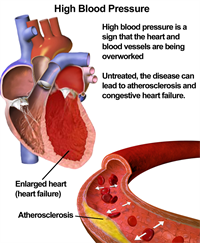
Hypertension
- Disease: Hypertension (High BP)
- Main Cause/Factor: Stress, obesity, high salt intake, and heredity
- Site of Effect: Heart, blood vessels
- Symptoms: Persistent high blood pressure, headaches, dizziness, and risk of stroke
- Preventive Measures: Reduce salt intake, regular exercise, stress management, and regular BP check-ups.
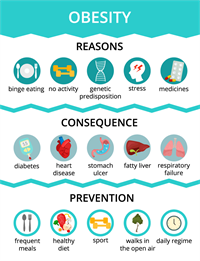
Obseity
- Disease: Obesity
- Main Cause/Factor: Excess calorie intake, lack of exercise
- Site of Effect: Whole body (fat accumulation)
- Symptoms: Excess body weight, breathlessness, fatigue, joint pain
- Preventive Measures: Healthy diet, daily physical activity, reducing junk food, maintaining weight balance
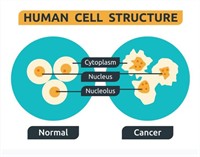
Normal and cancer cells
- Disease: Cancer
- Main Cause/Factor: Uncontrolled cell growth; may be linked to smoking, radiation, and genetics.
- Site of Effect: Varies (lungs, breast, colon, etc.)
- Symptoms: Tumours, weight loss, fatigue, abnormal bleeding
- Preventive Measures: Avoid smoking/tobacco use, maintain a healthy diet, undergo regular screenings, and practice early detection.
Deficiency diseases:
The diseases which are caused by a lack of nutrients in the diet are called deficiency diseases.
Diseases caused by mineral deficiency:
i. Scurvy: Caused by a deficiency in Vitamin C also called ascorbic acid.
Vitamin C deficiency symptoms include swollen and bleeding gums, joint and muscle pain, easy bleeding, delay in wound healing, deformities or malformed teeth and bones.
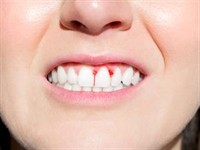
Bleeding gums are observed in Scurvy
ii. Rickets: The deficiency of Vitamin D causes rickets. Rickets is a bone disease that affects young children and infants. Vitamin D deficiency leads to reduced calcium absorption.
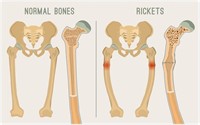
Bones bent due to rickets.
iii. Goitre: Goitre, which is observed in adults, is characterised by swelling in the neck. Lack of iodine can lead to malfunctioning of the thyroid gland, which causes hyperthyroidism and hypothyroidism. This condition causes hair loss, obesity, and inflammation in the throat.
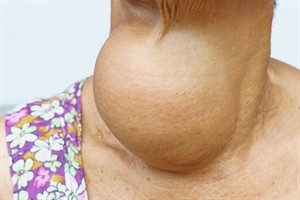
Goitre in adults
iv. Aneamia: Anaemia is caused by iron deficiency, where there are not enough healthy red blood cells. Anaemia can cause light- headedness, dizziness and tiredness.
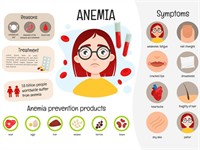
Anaemia
Important!
Dr Kamal Ranadive (1917–2001) was a pioneering biomedical researcher who discovered links between hormones, viruses, and cancer and highlighted how lifestyle factors, such as tobacco, diet, and pollution, increase cancer risk.
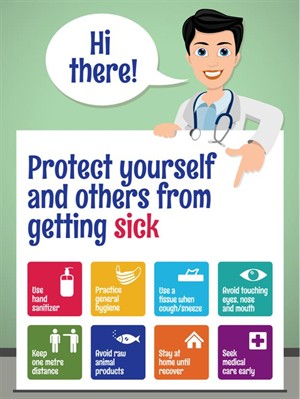
Protect yourself
Prevention is better than a cure. It is important to protect ourselves from both communicable and non-communicable diseases.
Case Study 1: Odisha’s Community Sanitation Drive
In the Bhadrak district of Odisha, residents came together to launch a community-led sanitation initiative. With everyone’s effort, many families built and began using toilets in their homes. This reduced the practice of open defecation in the village. The results were remarkable; fewer children fell ill with diarrhoea and stomach infections, and overall community health improved.
In the Bhadrak district of Odisha, residents came together to launch a community-led sanitation initiative. With everyone’s effort, many families built and began using toilets in their homes. This reduced the practice of open defecation in the village. The results were remarkable; fewer children fell ill with diarrhoea and stomach infections, and overall community health improved.
Case Study 2: Swachh Bharat Mission
In 2014, the Indian government launched the Swachh Bharat Mission, a nationwide campaign aimed at making India clean and healthy. It focused on building toilets, proper waste disposal, and spreading awareness about hygiene. In many villages, open defecation has been reduced, garbage collection has improved, and streets have become cleaner. People also began washing their hands more often, which reduced the spread of infections.
In 2014, the Indian government launched the Swachh Bharat Mission, a nationwide campaign aimed at making India clean and healthy. It focused on building toilets, proper waste disposal, and spreading awareness about hygiene. In many villages, open defecation has been reduced, garbage collection has improved, and streets have become cleaner. People also began washing their hands more often, which reduced the spread of infections.
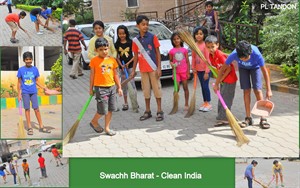
Swachh Bharat Mission
Immunity:
Immunity: The body’s ability to fight against diseases and protect us from infections.
When pathogens enter, the immune system immediately begins to fight them. It does this through white blood cells (WBCs), which act like soldiers.
Types of Immunity:
It is mainly of two kinds: Innate Immunity and Acquired Immunity.
| Feature | Innate Immunity | Acquired Immunity |
|---|---|---|
| Definition | Natural defence is present from birth. | defence developed after exposure to germs or vaccines. |
| Specificity | Non-specific | Highly specific |
| Memory | No memory, same response every time. | Has memory responds faster on second exposure. |
| Duration | Short-term protection | Long-lasting protection |
| Examples | Skin prevents the entry of germs and fever-killing microbes. | Polio vaccine, chickenpox recovery and antibodies from a mother’s milk |
Why do we need immunisation?
Our immune system will respond to any foreign pathogen invasion of our body. However, in the case of certain germs or pathogens, our immune system isn’t quick or strong enough to prevent them from causing an infection. Humans need immunisations to protect their bodies from harmful infectious agents that cause diseases.
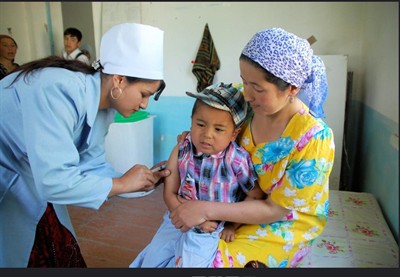
A child receiving a vaccination
One efficient way to control the spread of these infections is to strengthen the host's defences. This strengthening of defences can be accomplished by immunisation. Immunisation is one of the cost-effective weapons of modern medicine when a large proportion of a community is immunised against the disease. The rest of the community benefits because it does not spread.
The first artificially made vaccine used in the world:
A thousand years ago, healthy people would inhale a powder made from smallpox scab crusts to protect themselves from smallpox disease. People who performed this practice were known as teekedaars. This method is the first known vaccination technique used by humankind.
In modern medicine, Edward Jenner introduced the process of vaccination in the year \(1796\). According to the World Health Organisation (WHO), the Jennerian vaccination has eliminated smallpox from the human population.
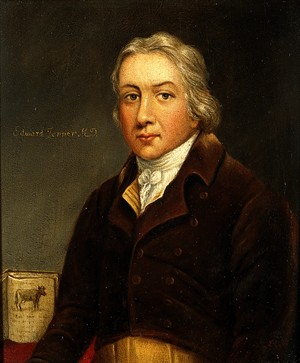
Edward Jenner
- When a disease-causing microorganism enters the body, it produces substances that aid our bodies in recognising the microbe as a foreign agent. This substance is called an antigen.
- When an antigen enters the body, it stimulates the production of substances that help fight microbes. These substances are called antibodies.
Vaccine:
Vaccines are preparations of living or killed microorganisms or their products used to prevent or treat diseases.
Example:
Polio, cholera, tetanus, rabies, tuberculosis, smallpox, measles, diphtheria, and pertussis can be prevented by vaccination.
Vaccines are of two types: live vaccine and killed vaccine.
- Live Vaccines: They are prepared from living organisms. The pathogen is weakened and administered. The examples include the BCG vaccine and the oral polio vaccine.
- Killed Vaccines: Microorganisms (bacteria or viruses) killed by heat or chemicals are called killed or inactivated vaccines. They require a primary dose followed by a subsequent booster dose. The examples include the typhoid vaccine, cholera vaccine, and pertussis vaccine.
Vaccine and Disease:
|
Types of vaccine
|
Name of the vaccine
|
Disease
|
| Live attenuated | MMR | Measles, Mumps, Rubella |
| Inactivated (Killed antigen) | BCG(Bacillus Calmette Guerin) | Tuberculosis |
| Inactivated(Killed antigen) | Inactivated polio virus (IPV) | Polio |
| Subunit vaccines (purified antigens) | Hepatitis B vaccine | Hepatitis B |
| Toxoid (Inactivated antigen) | Tetanus toxoid (TT) | Tetanus |
| Toxoid (Inactivated antigen) | diphtheria toxoid | diphtheria |
Important!
Dr Maharaj Kishan Bhan was an Indian scientist who developed the Rotavirus vaccine and promoted affordable healthcare through biotechnology.
Reference:
https://upload.wikimedia.org/wikipedia/commons/0/0c/Edward_Jenner._Oil_painting._Wellcome_V0023503.jpg
https://www.freepik.com/free-photo/packings-pills-capsules-medicines_1178867.htm#page=1&query=Colorful%20pills&position=0