

Who wants to be as strong as PV Sindhu, MS Dhoni, or Virat Kohli? Who enjoys eating chips, burgers, and pizza every day? Would they still be healthy if he did not train and merely ate hamburgers?

Virat Kohli's healthy dietary habits
Being healthy involves more than just avoiding illness; it also involves forming healthy routines, maintaining balance, and conserving energy.
Are we familiar with the well-known adage "Health is Wealth"?
What is meant by health?
Activity 1:
Gautham was studying in the 8th grade, and suddenly, his parents relocated to a different city and school. He felt alone because his parents were busy, and he had no pals in his new setting. He used social media and his phone more to cope, but this made him feel awful. He lost weight, experienced headaches, stopped attempting to make friends, and had trouble sleeping. A doctor suggested seeing a counsellor and reducing screen time. The school counsellor set him up with assistance to help him improve his health and make friends.
What caused the boy's health issues? What effects did his environment and habits have on his health?
What caused the boy's health issues? What effects did his environment and habits have on his health?
In this session, we will learn what true health means: body, mind, and social well-being, supported by good habits, Ayurveda's balance, and a clean environment.
Health is a condition of total physical, mental, and social well-being and is not just the absence of disease or disability, according to the World Health Organisation (WHO) in \(1948\).

Health symbol
The capacity to adjust to one's surroundings and their constraints is what is meant by health. It is a dynamic state brought on by the body's ongoing adaptation and adjustment to environmental changes and stress in order to preserve homeostasis, an internal equilibrium.
The Ayurvedic perspective on health:
Ayur, which means life, and Veda, which means wisdom, are the two Sanskrit terms from which the name "Ayurveda" is derived. Thus, "the knowledge of life" is what Ayurveda is all about. That is a lovely way to think about health. It teaches us that maintaining our health involves more than just curing illness; it also entails leading a balanced life every day.
“Health is a state of balance between the body, the mind, and the spirit, supported by good food, proper rest, positive thoughts, and harmony with nature.” is known as Ayurveda.
Ayurveda is not just medicine; it is also a lifestyle. It tells us:
-
Eat freshly cooked, natural food in the right quantity.
-
Wake up early with the sunrise.
-
Sleep on time, giving the body enough rest.
-
Keep the mind calm through yoga and breathing.
-
Stay close to nature. Sunlight, fresh air, and clean water are the best healers.
Ayurveda is India’s gift to the world. It reminds us that health is not only about medicines but about the choices we make every day, how we eat, sleep, think, and live.
Is health defined by more than merely evading sickness?
Being healthy does not mean more than just the absence of disease. It also involves being physically fit, mentally resilient, and emotionally satisfied. A balanced diet, regular physical activity, sufficient rest, and good hygiene are all essential for overall wellness. A healthy individual can appreciate life and perform tasks efficiently.
Health is determined by three key factors:
- Physical Health: This refers to our physical strength, activity level, and overall energy.
- Mental Health: This refers to our emotional and psychological well-being and mental state.
- Social Health: Humans are social creatures. Social health refers to our ability to interact with others, form meaningful friendships, show respect for them, and coexist peacefully within a community.

Illustration of health
Why Is student health important?
Anything of value that we safeguard and preserve is a treasure. Because it is so difficult to regain once it is lost fully, health is referred to as the ultimate value.

Importance of health
Health is our greatest asset. Having good health allows us to utilise our studies and everyday lives more effectively, to play and enjoy all our favourite sports, including badminton and cricket.
We can all spend quality time with our family and friends.
Our health enables us to face better the stresses and hardships that life may present.

Illustration of health
Ways to stay healthy:
Activity 2:
List some positive habits that your parents, teachers, or elders frequently encourage you to adopt. How many of these practices are currently part of your daily routine? Which ones would you like to incorporate?
Healthy habits contribute to both physical and mental well-being. Share your observations with your friends and teacher. From the activity you participated in and the discussions, you may have realised that numerous factors influence our health. These factors include our lifestyle (how we live) and our environment (our surroundings).
The following are the ways to stay healthy;
| Healthy habit (Do’s ) | Unhealthy habit (Don’ts ) |
|---|---|
| Eat a balanced diet with fruits, vegetables, pulses, and milk. | Eating only junk food like chips, pizza, and sugary drinks. |
| Drink clean, boiled, or filtered water. | Drinking water from unsafe or unclean sources. |
| Wash hands before eating, brush teeth twice, and bathe regularly. | Skipping hygiene practices or wearing dirty clothes. |
| Sleep for 8–10 hours and take short breaks while studying. | And staying awake late at night or avoiding rest. |
| Play outdoors, do yoga, and practice pranayama. | Sitting all day, avoiding exercise, or being inactive. |
| Limit screen time and spend time with family, friends, or reading. | Using mobile phones, TV, or games for many hours without a break. |
| Say “No” to alcohol, tobacco, and drugs. | Trying harmful substances due to curiosity or peer pressure. |
Keeping the environment clean:
A clean environment means fewer germs, fewer diseases, and more happiness. Dirt, garbage, and polluted water become breeding grounds for mosquitoes, flies, and bacteria, which spread illnesses like malaria, cholera, and dengue. On the other hand, clean surroundings give us fresh air, safe drinking water, and peaceful living.
Ways to keep the environment clean:
Activity 3:
Which playground would you like to play in, a clean one or an unclean one, and why? Most of us would like to play in the playground, which is clean, as it is clean, well-maintained, and visually appealing. The playground is polluted, dirty, unhygienic, and full of flies and mosquitoes. People living in such areas may fall sick more often.
1. Proper waste disposal:
Throwing waste here and there is one of the biggest reasons for dirty surroundings. When garbage piles up on the road, it attracts flies, mosquitoes, and stray animals, spreading diseases.
The best way is to throw waste in dustbins and separate it into two types:
-
Biodegradable waste: Food peels, leaves, paper. This waste can rot naturally and turn into compost.

Green dustbins to collect biodegradable wastes
-
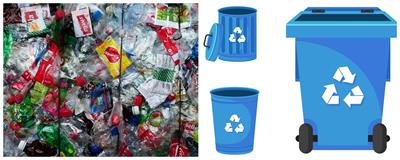
Non-biodegradable waste: Plastic bottles, glass, and metal. These cannot be easily decomposed and must be recycled or reused.Blue dustbins to collect non-biodegradable wastes
2. Clean water sources:
Water is essential for life, but contaminated water becomes a source of disease. Throwing waste into rivers, ponds, or drains pollutes the water, making it unsafe for use. Such dirty water can spread harmful diseases like cholera, typhoid, and other water-borne infections, which are dangerous to health.
3. Personal and community hygiene:
Maintaining personal hygiene is the first step to keeping our environment clean. Activities like being bathed every day, washing your hands before a meal and changing into clean clothing all help to reduce the spread of germs. However, it does not stop there. Communities may also work together to organise community clean-up campaigns in schools, neighbourhoods or even public places.
4. Protecting air quality:
Burning plastic, garbage, or fossil fuels releases smoke and harmful gases. These reduce the quality of the air we breathe and can cause asthma, cough, and lung problems.
The Air Quality Index (AQI) is a numerical measure used to assess the level of air pollution.
i. A low AQI (\(0\)–\(50\)) means clean and safe air.
ii. A high AQI (above \(200\) means very polluted air, which can be harmful to health.
Tree planting is the easiest way to make the air better! A single tree can produce enough oxygen for 4 people in one day!
5. Sustainable living:
Our daily decisions have environmental consequences. Using excessive plastic, wasting electricity, or discarding items instead of reusing them contribute to pollution. Instead, we can:
- Carry cloth or jute bags instead of plastic bags.
- Reuse glass bottles, old clothes, or notebooks.
- Recycle waste paper into new sheets or crafts.
Important!
-
In Indore, India, people started segregating waste at home, and the city became one of the cleanest in the country.
-
Villages that covered their wells and ponds with protective nets reported fewer cases of diarrhoea.