Cell:
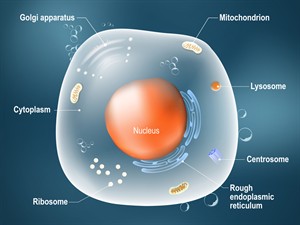
A cell is the basic structural and functional unit of life. It consists of a cell boundary, internal fluid, and specialized structures called organelles.
Components of the Cell:
 
 Components
 
Structure
 
 
Function
 
 
BASIC CELL STRUCTURE:
 
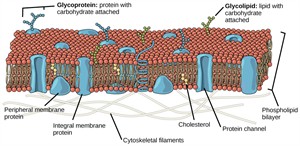
1. Plasma membrane:
 
PM.jpg
  • Outermost covering of the cell.
  • Separates cell contents from the external environment.
  • Made up of lipids and proteins.
  • Flexible in nature.
  • Selectively permeable → allows some substances to pass, restricts others.
  • Controls the entry and exit of materials.
  • Helps in diffusion and osmosis.
  • Enables endocytosis (e.g., Amoeba).
 
2. Cell wall:
 
CW.jpg
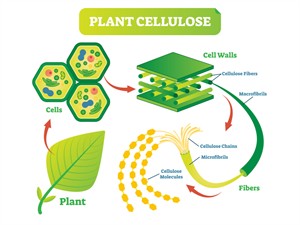
  • Rigid outer layer present outside plasma membrane.
  • Present in plant cells.
  • Made up of cellulose.
  • Permeable in nature.
  • Provides strength and support.
  • Protects the cell.
  • Prevents bursting in hypotonic solution.
  • Helps cells withstand changes in surroundings.
 
 
3. Nucleus:
 
Nuc.jpg
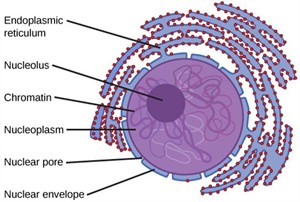
  • Double membrane-bound (nuclear membrane).
  • Contains nuclear pores.
  • Contains chromosomes (DNA + protein).
  • DNA present as chromatin material.
  • Controls all cell activities.
  • Carries hereditary information.
  • Helps in cell division.
 
4. Cytoplasm:
 
Cyto.jpg
  • Fluid content inside plasma membrane.
  • Contains cell organelles.
  • Site of cellular activities.
  • Helps in metabolic reactions.
 
 
CELL ORGANELLES:
 
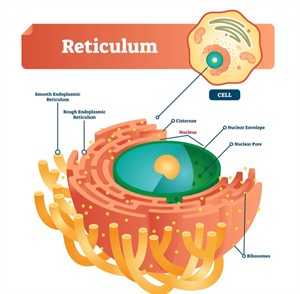
Endoplasmic Reticulum (ER):
 
ER.jpg
  • Network of membrane-bound tubes and sheets.
  • Connected to nuclear membrane.
  • Two types:
Rough ER  - with ribosomes
Smooth ER - without ribosomes
  • RER protein synthesis.
  • SERlipid synthesis.
  • Helps in transport of materials.
  • Provides surface for biochemical activities.
  • SER helps in detoxification.
 
Golgi Apparatus:
 
GA.jpg
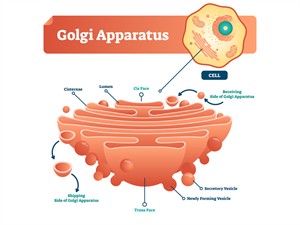
  • Made of flattened sacs (cisternae).
  • Arranged in stacks.
  • Connected with ER.
  • Modifies, stores, and packages materials.
  • Transports materials inside and outside the cell.
  • Helps in formation of lysosomes.
 
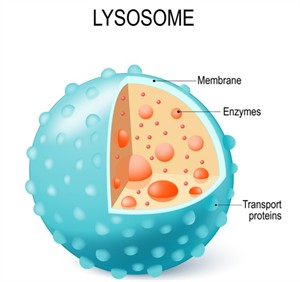
Lysosomes:
 
Ly.jpg
  • Membrane-bound sacs with digestive enzymes.
 
  • Digest foreign materials.
  • Break down worn-out organelles.
  • Act as a waste disposal system.
  • Called suicidal bags”.
 
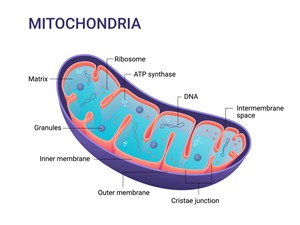
Mitochondria:
 
Mito.jpg
  • Double membrane-bound.
  • Inner membrane folded.
  • Site of cellular respiration.
  • Produces ATP (energy).
  • Known as powerhouse of the cell.
 
 
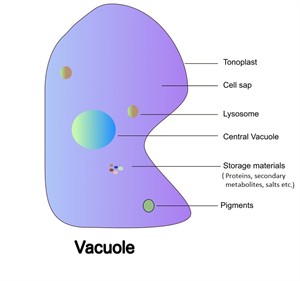
Vacuoles:
 
vacu.jpg
  • Membrane-bound sac, large in plant cells.
  • Contains cell sap (water, ions, sugars, enzymes).
  • Maintains turgor pressure.
  • Stores nutrients and waste.
  • Helps in growth and support.
 
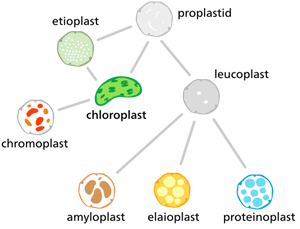
Plastids:
 
Plas.png
  • Present only in plant cells.
  • Types:
Chromoplast - coloured.
Leucoplast - storage.
Chloroplast - green pigment.
  • Chromoplast - colour.
  • Leucoplast - storage.
  • Chloroplast - photosynthesis.
 
 
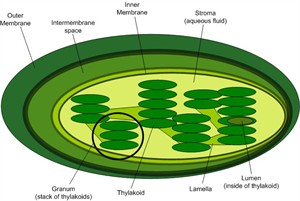
Chloroplast:
 
Chloroplast.jpg
  • Contains chlorophyll.
  • Present in plant cells and in some protists, such as algae.
 
  • Site of photosynthesis.
  • Traps sunlight to make food.