

Cell biology has made significant strides with the help of modern technology. Today, scientists are capable of:
- Studying cells at the molecular level.
- Diagnosing genetic diseases.
- Developing artificial cells.
- Applying biological knowledge in fields such as medicine, sports, and technology.
Case Study: Leigh Syndrome & Mitochondrial Dysfunction
Leigh Syndrome is a rare genetic disorder that affects the mitochondria, the energy-producing organelles within cells.
Cause:
- Defective mitochondrial function.
- Decreased production of ATP (the energy molecule).
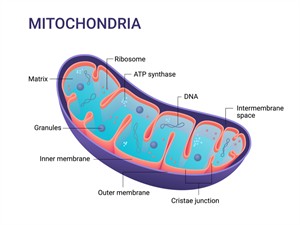
Mitochondria
Symptoms:
- Muscle weakness
- Loss of motor skills
- Breathing difficulties
- Neurological damage
Scientific Application in Human Life:
Early diagnosis through genetic testing is crucial. Mitochondrial research contributes to:
- Understanding how cells produce energy
- Developing targeted therapies
Key Concept:
Healthy mitochondria are essential for proper energy supply and normal body function.
Scientific Contributions: Arun Kumar Sharma:

Professor Arun Kumar Sharma
Who was he?
A distinguished Indian scientist, he is celebrated as the Father of Cytogenetics in India.
Major Contributions:
- Advanced the field of chromosome study (cytogenetics)
- Developed techniques for observing chromosomes
- Enhanced understanding of:
- Genetic disorders
- Plant breeding
- Evolution
Impact:
- Boosted agricultural productivity
- Strengthened genetic research in India
Microscope Slide Preparation:
Steps to Prepare a Slide:
1. Use a clean glass slide
2. Place a thin sample (e.g., onion peel) on the slide
3. Add a drop of stain (e.g., iodine)
4. Gently position a coverslip over the sample
5. Remove any air bubbles
6. Observe the slide under a microscope.
Precautions:
- Avoid trapping air bubbles
- Do not press the coverslip too firmly
- Use proper staining
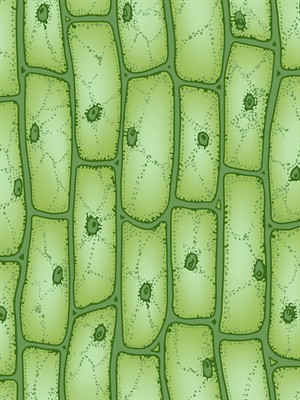
Onion cell under a microscope
Observation:
- Cells become clearly visible
- Structures like cell wall, nucleus, and cytoplasm can be identified
Application in Daily Life: Muscles & Joints in Sports and Dance:
Muscle Cells:
Specialized cells responsible for movement and contraction.
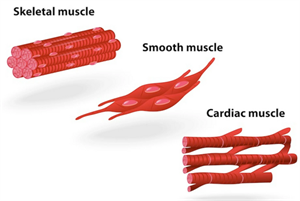
Types of muscles
Joints:
The points where two bones connect.
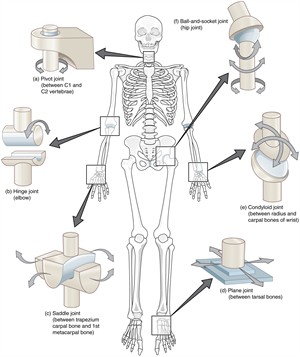
Types of joints
Applications:
| Activity | Role of Cells |
| Dance | Coordination of muscles and joints |
| Sports | Strength, flexibility, endurance |
| Yoga | Controlled muscle movement |
Example:
- Running: Leg muscles contract and relax.
- Dancing: Ensures smooth coordination of joints.
Can we create Artificial Cells?
Big Question: Can scientists engineer a cell that functions like a natural living cell?
Current Research:
Researchers have successfully developed synthetic cells that can:
- Perform fundamental biological functions.
- Mimic certain biological processes.
Limitations:
- However, these synthetic cells cannot fully replicate life and lack complete self-regulation.
Future Possibilities:
Potential applications include:
- Disease treatment
- Drug delivery systems
- Development of artificial organs