Biomolecules are the building blocks of organelles: 
 
Biomolecules Role in Structure Role in Function Example in Cell
Carbohydrates Form part of cell surface (glycoproteins) Provide energy for cell activities Glucose used in mitochondria
Proteins Form membrane structure and organelle components Act as enzymes, help in transport and reactions Enzymes in lysosomes, ribosomes in Rough Endoplasmic Reticulum
Lipids Form cell membrane (lipid bilayer) Help in membrane flexibility and transport Plasma membrane, ER membranes
Nucleic Acids (DNA/RNA) Form genetic material in nucleus Control cell activities and protein synthesis DNA in nucleus, RNA in cytoplasm
 
Components of the Cell:
 
 Components
 
Structure
 
 
Function
 
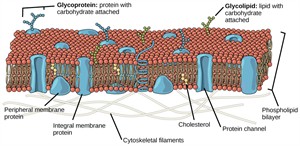
Plasma membrane:
PM.jpg
  • Outermost covering of the cell.
  • Separates cell contents from the external environment.
  • Made up of lipids and proteins.
  • Flexible in nature.
  • Selectively permeable → allows some substances to pass, restricts others.
  • Controls the entry and exit of materials.
  • Helps in diffusion and osmosis.
  • Enables endocytosis (e.g., Amoeba).
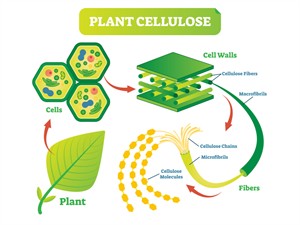
Cell wall:
CW.jpg
  • Rigid outer layer present outside plasma membrane.
  • Present in plant cells.
  • Made up of cellulose.
  • Permeable in nature.
  • Provides strength and support.
  • Protects the cell.
  • Prevents bursting in hypotonic solution.
  • Helps cells withstand changes in surroundings.
 
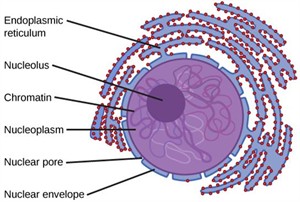
Nucleus:
Nuc.jpg
  • Double membrane-bound (nuclear membrane).
  • Contains nuclear pores.
  • Contains chromosomes (DNA + protein).
  • DNA present as chromatin material.
  • Controls all cell activities.
  • Carries hereditary information.
  • Helps in cell division.
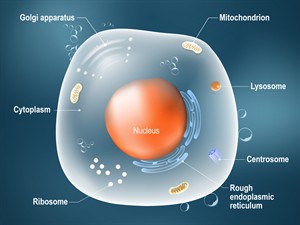
Cytoplasm:
Cyto.jpg
  • Fluid content inside plasma membrane.
  • Contains cell organelles.
  • Site of cellular activities.
  • Helps in metabolic reactions.
 
Cell Organelles:
 
Endoplasmic Reticulum (ER):
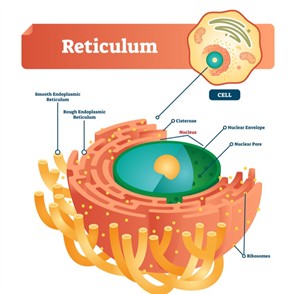
ER.jpg
  • Network of membrane-bound tubes and sheets.
  • Connected to nuclear membrane.
  • Two types:
Rough ER  - with ribosomes
Smooth ER - without ribosomes
  • RER protein synthesis.
  • SERlipid synthesis.
  • Helps in transport of materials.
  • Provides surface for biochemical activities.
  • SER helps in detoxification.
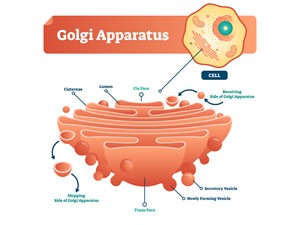
Golgi Apparatus:
GA.jpg
  • Made of flattened sacs (cisternae).
  • Arranged in stacks.
  • Connected with ER.
  • Modifies, stores, and packages materials.
  • Transports materials inside and outside the cell.
  • Helps in formation of lysosomes.
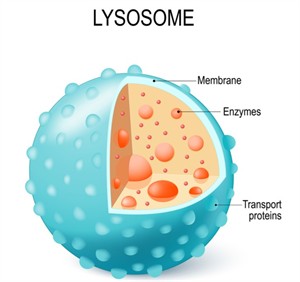
Lysosomes:
Ly.jpg
  • Membrane-bound sacs with digestive enzymes.
 
  • Digest foreign materials.
  • Break down worn-out organelles.
  • Act as a waste disposal system.
  • Called suicidal bags”.
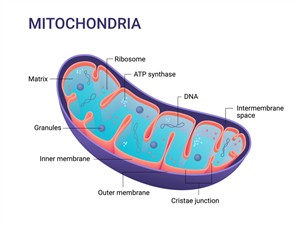
Mitochondria:
Mito.jpg
  • Double membrane-bound.
  • Inner membrane folded.
  • Site of cellular respiration.
  • Produces ATP (energy).
  • Known as powerhouse of the cell.
 
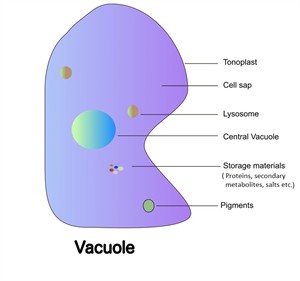
Vacuoles:
vacu.jpg
  • Membrane-bound sac, large in plant cells.
  • Contains cell sap (water, ions, sugars, enzymes).
  • Maintains turgor pressure.
  • Stores nutrients and waste.
  • Helps in growth and support.
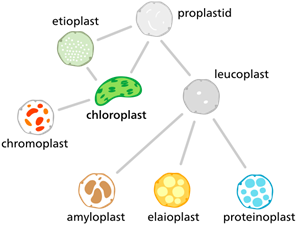
Plastids:
Plas.png
  • Present only in plant cells.
  • Types:
Chromoplast - coloured.
Leucoplast - storage.
Chloroplast - green pigment.
  • Chromoplast - colour.
  • Leucoplast - storage.
  • Chloroplast - photosynthesis.
 
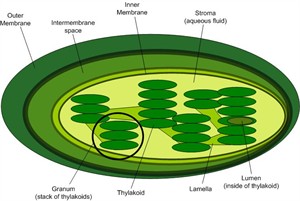
Chloroplast:
Chloroplast.jpg
  • Contains chlorophyll.
  • Present in plant cells and in some protists, such as algae.
 
  • Site of photosynthesis.
  • Traps sunlight to make food.