

In daily life, we often identify substances by their taste. Acids usually taste sour, while bases taste bitter. However, in a laboratory, some acids and bases are corrosive and harmful.
So, how can we safely test whether a substance is acidic or basic without tasting it?
The chemical substance that changes colour depending on the pH of the solution, indicating whether the solution is acidic, basic or neutral, is called an acid-base indicator.
1. Litmus as an indicator:
Litmus is a natural indicator obtained from lichens. It is commonly used to test whether a substance is acidic, basic or neutral.
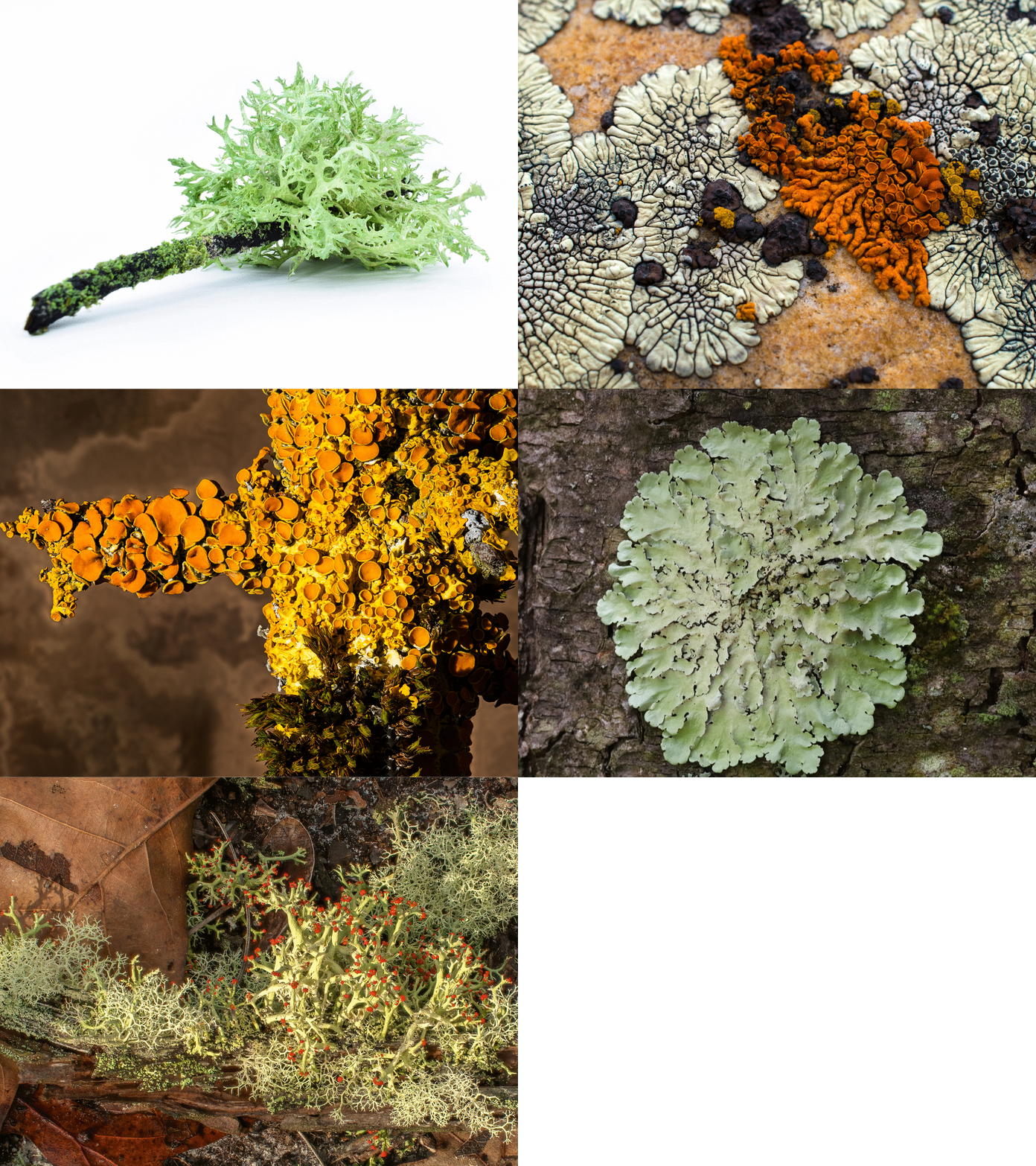
Lichens
Preparation:
Step 1: Take the strips of red litmus paper.
Step 2: Take the sample solutions in separate test tubes and dip a red litmus paper into each test tube and observe the colour change.
Step 3: Repeat the same with the strips of blue litmus paper and observe the colour change.
Observation: The observations are tabulated as follows.
| Litmus paper | Test with the acid substance | Test with the base substance |
| Blue litmus paper |
Blue \(→\) Red
|
Blue \(→\) Blue (No change)
|
| Red litmus paper |
Red \(→\) Red (No change)
|
Red \(→\) Blue
|
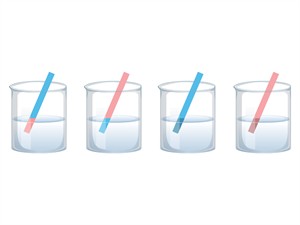
Litmus test: Acid, base and neutral solution
2. Red rose as an indicator:
Red Rose can help you figure out whether the solution is acid, base or neutral. It’s because of a natural chemical present in the petal which acts as an acid-base indicator.
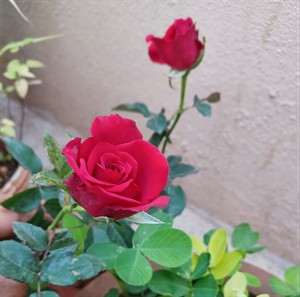
Red rose
Red rose contains a natural pigment in their petals called anthocyanin. This pigment tends to change colour depending on the pH level of the liquids. Ready to make your indicator using a red rose.
Preparation:
Step 1: Take the red rose petals in a cup and, with the help of a spoon, gently mash the petals to release the colour.
Step 2: To the mashed petals, pour in some warm water and let it stay for 10 minutes, then strain the solution into a clean cup.
Step 3: Now, take a small amount of rose indicator in different cups and add samples to be tested in each cup, and observe the colour change.
Observation: The observations are tabulated as follows.
| Solution | Red rose indicator |
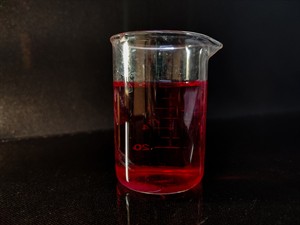
| Acidic solution | Changes to a deep red |
| Basic solution | Changes to greenish, bluish, or even to yellowish |
| Neutral solution | Natural red without changing |
 |
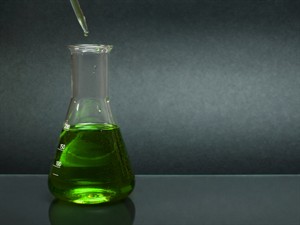 |
Colour change of red rose: In acidic and basic solutions
3. Turmeric as an indicator:
Can you believe that there is an ingredient straight out of the kitchen that acts as a detective to investigate the nature of the solutions? Yes, we have an agent yellow from our spices that's turmeric!
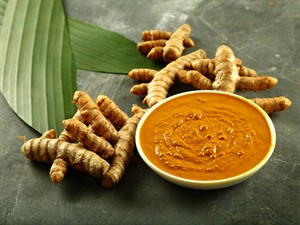
Turmeric paste
Preparation:
Step 1: Mix the turmeric powder with water, and your golden yellow paint is ready.
Step 2: Apply turmeric paste on white paper and let it dry.
Step 3: With the help of a paint brush or buds, write or paint your thoughts to make a card with lemon juice and soap solution on each paper, and watch what happens.
Turmeric has a compound named curcumin, which is responsible for the colour change.
Observation: The observations are tabulated as follows.
| Solution | Turmeric indicator |
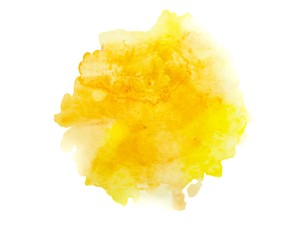
| Acidic solution | Stays yellow |
| Basic solution | Turns reddish-brown |
| Neutral solution | Stays yellow |
 |
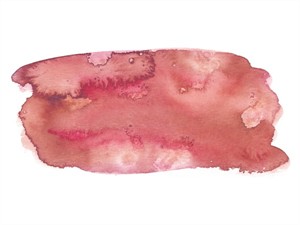 |
Paper painted with turmeric paste; turns red on painting with basic solution
There are some substances whose odours change in an acidic or basic medium. These are called olfactory indicators.
Example:
Onion, clove oil, garlic extract, and vanilla essence
When these substances are brought into contact with acids and bases, they convey the nature of the chemical, either becoming odourless or retaining the odour.