

Have you ever wondered how invisible substances impact the taste of your food, the fizzing in your beverages, and even the washing power of your washroom cleaner? Why does soap generally feel slippery?
Also, have you ever tasted a lemon and reacted by puckering your lips?
The secret agents hiding behind these mysteries are the acids and bases.
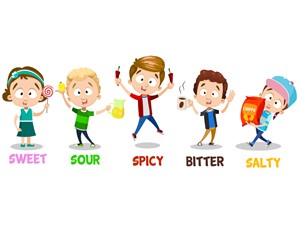
Types of tastes
In this chapter, we will discover the reason behind all the above questions, the different tastes in foods, drinks, colour changes in solutions and many more. These clever substances are always busy!
Acids:
The term "acidic" derives from the Latin word "acere," meaning "sour."
- Acids are substances that taste sour.
- They are corrosive in nature.
- Acids release \(H^+\) ions, which are responsible for their acidic properties.
- Acids are commonly found in substances such as lemon juice, curd, vinegar.
Important!
Corrosive substances are those that can damage or burn materials such as skin, clothes, or metals if not handled carefully.

Acid: Sour taste
Let us now see some of the naturally occurring acids.
Organic acids are acids obtained from plant and animal sources. They are generally weak acids and are found in fruits, vegetables, milk products, and other natural sources.
|
Natural
sources
|
Acids
|
|
Vinegar
|
Acetic acid
|
|
Sour milk
(Curd)
|
Lactic acid
|
|
Orange
|
Citric acid
|
|
Tamarind
|
Tartaric acid
|
|
Tomato
|
Oxalic acid
|
|
Lemon
|
Citric acid
|
|
Ant sting
|
Methanoic acid
|
|
Nettle sting
|
Methanoic acid
|
Bases:
- Bases are substances that taste bitter.
- They feel soapy or slippery to touch.
- Some bases are corrosive in nature.
- Bases release \(OH^-\) ions, which are responsible for their basic properties.
- Bases are generally present in cleaning agents such as, soap, detergent, washing powder, baking powder, and toothpaste.
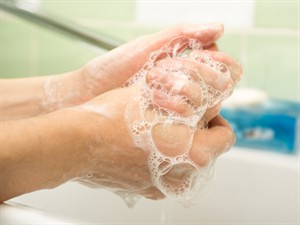
Base: As a cleanser
However, not all substances show sour or bitter taste. Some substances do not show the properties of either acids or bases. These are called neutral substances.
Neutral substances:
- Neutral substances are those which are neither acidic nor basic.
- They do not taste sour or bitter.
- They are not corrosive in nature.
- Neutral substances are commonly found in distilled water, sugar solution, salt solution.
Safe Identification of Acids and Bases:
In daily life, we often identify substances by their taste. Acids usually taste sour, while bases taste bitter. However, in a laboratory, some acids and bases are corrosive and harmful.
So, how can we safely test whether a substance is acidic or basic without tasting it?
Some substances help us identify acids and bases by changing colour. These are called indicators.
Litmus as an indicator:
Litmus is a natural indicator obtained from lichens. It is commonly used to test whether a substance is acidic, basic or neutral.
Litmus is available in two forms:
- Blue litmus paper
- Red litmus paper
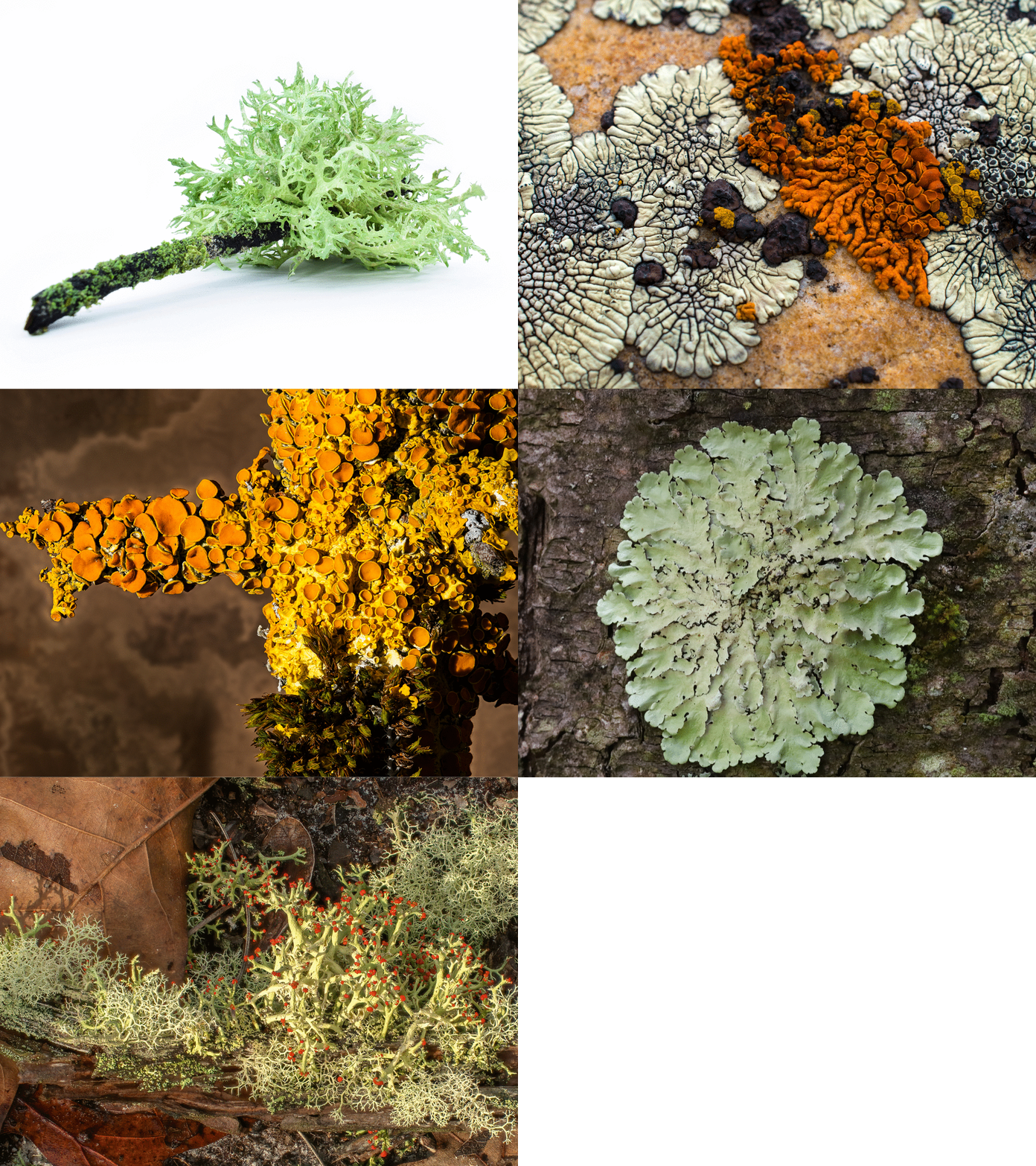
Lichens
Action of Litmus on acids, bases and neutral substance:
- Acids turn blue litmus red
- Bases turn red litmus blue
- Neutral substances show no change on either red or blue litmus paper.
| Litmus paper | Test with the acid substance | Test with the base substance | Test with the neutral substance |
| Blue litmus paper |
Blue \(→\) Red
|
Blue \(→\) Blue (No change)
|
No change
|
| Red litmus paper |
Red \(→\) Red (No change)
|
Red \(→\) Blue
|
No change
|
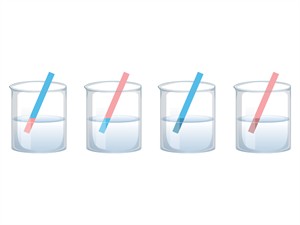
Changes in litmus paper