

Introduction to Neutralisation and Its Importance:
Neutralisation is a chemical reaction in which an acid reacts with a base to form salt and water. This process helps reduce the harmful effects caused by excess acids or bases in various situations. Hence, neutralisation plays an important role in maintaining balance in both natural and artificial systems.
Maintaining an appropriate acid–base balance is essential for our health as well as for the environment. Interestingly, many neutralisation reactions take place around us in our daily lives, often without us even realizing it.
Let us now explore the significance and applications of neutralisation through some common real-life examples.
Applications of neutralisation in everyday life:
i. Acidity:
Scenario: Riya, who frequently ate junk food, once experienced severe heartburn along with a burning sensation in her chest and food pipe. She felt uncomfortable and uneasy due to this condition, known as acidity.
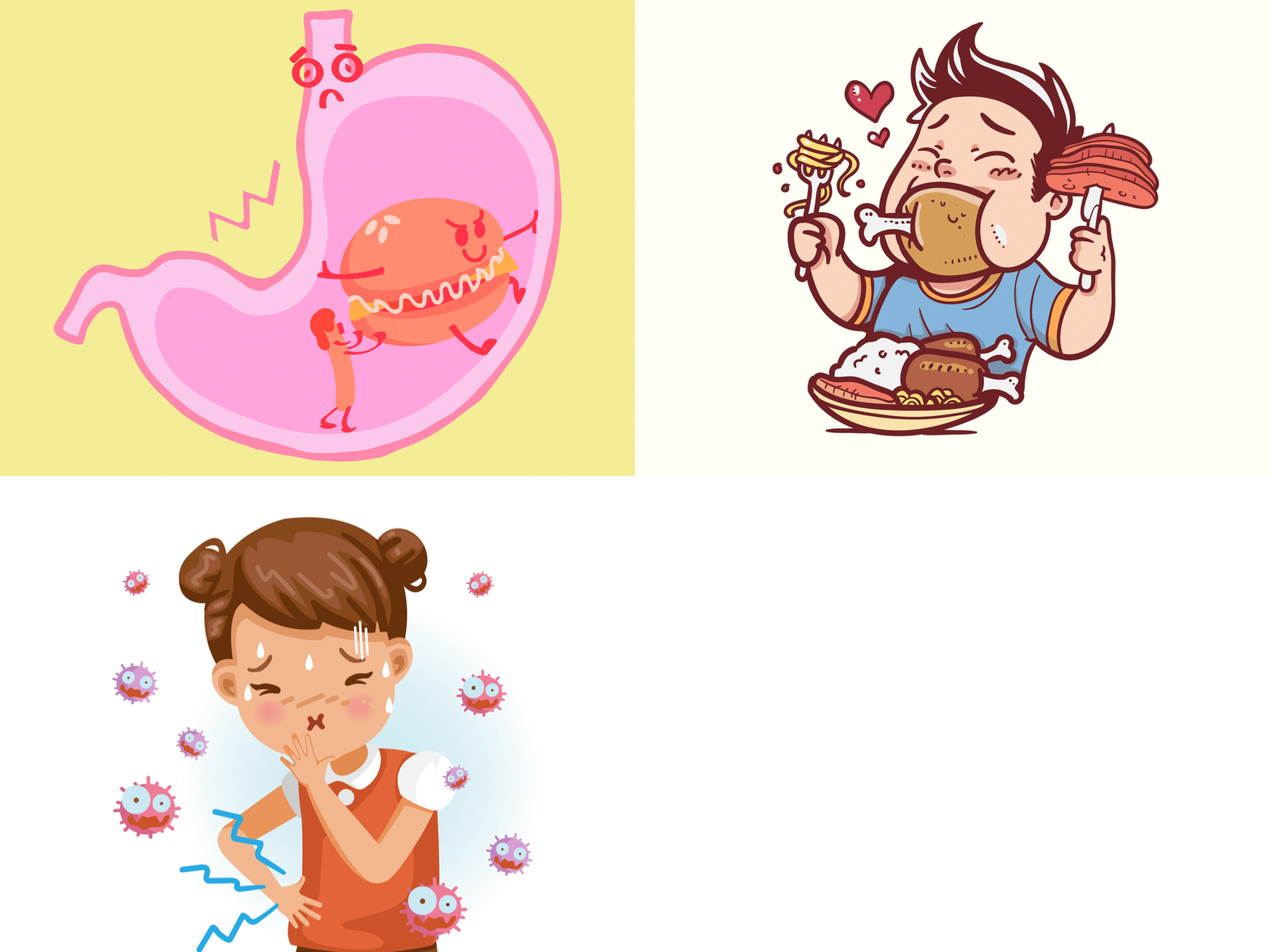
Acidity
Action Plan: To relieve her discomfort, her mother gave her an antacid. After some time, Riya felt better and the burning sensation gradually reduced. Antacids help in reducing the effect of excess acid in the stomach. If such a condition continues for a long time, it may lead to ulcers in the stomach and food pipe, worsening the problem.
Antacids such as milk of magnesia contain magnesium hydroxide, which is a base. It reacts with the excess hydrochloric acid in the stomach and neutralises it.
What Worked? Antacids are base that neutralise the excess acid in the stomach and lead to relief.
ii. Soil therapy:
Scenario: Have you ever noticed farmers apply fertiliser to enrich the soil? One day, the gardener saw that the plants didn’t seem healthy and there weren't many flowers blooming, so he checked the soil and found it was acidic.

Effect of pH on soil
Action Plan: He treated the soil with some lime, and slowly, the plants started to seem healthy and bloom.
What Worked? Since the soil is acidic, when it was treated with lime (\(CaO\)), which is a base, it neutralised the soil's condition and improved the soil's fertility.
iii. Insect bite:
Scenario: When Mokshitha was playing near the garden, suddenly she was bitten by something. She noticed that it was a bee. With stinging pain, she ran to her grandmother.

Effect of formic acid
Action Plan: Her grandmother immediately applied a paste to the skin where the bee bit. It was baking soda mixed with water, and in a few minutes, she felt relief from pain.
What worked? The bee sting injects formic acid into the skin, which causes pain as soon as it is applied. Baking soda paste, which is a base, neutralises the acid, and the pain fades away.
iv. Industrial waste balance:
Scenario: There was a factory in an area near a water body which released toxic acidic wastes. Harmful and corrosive, which affects the water as well as the environment.
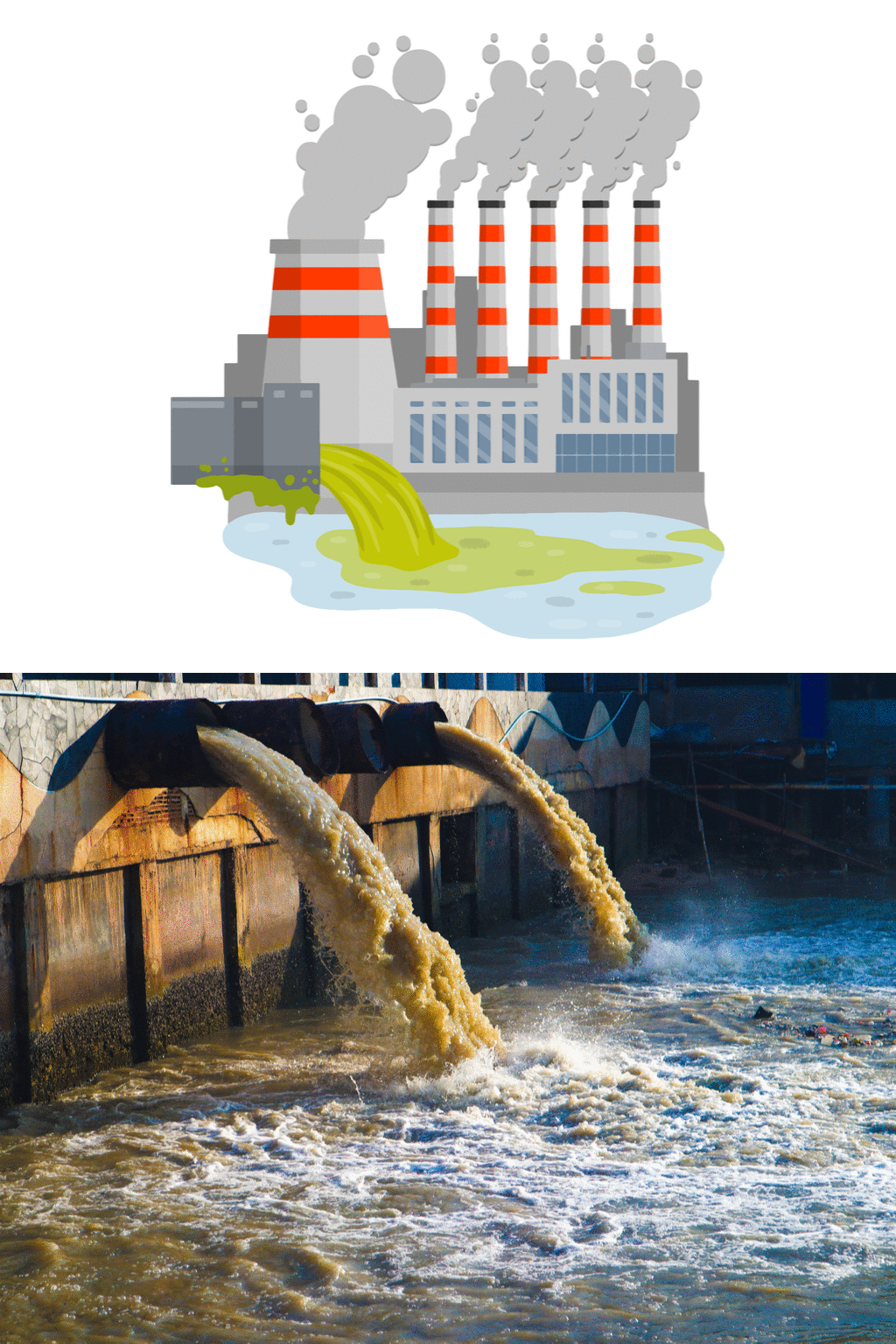
Effect of industrial wastes
Action Plan: A team noticed it, and before letting the waste out, they passed it through a reactor tank, which contains base, and the waste which came out does not seem to be toxic.
What Worked? When the acidic waste is passed through a tank containing a base, it becomes neutralised, which renders the harmful waste harmless before releasing it into the water bodies.
Thanks to neutralisation, which serves as a solution to heartburn, provides relief from stinging aches, aids in soil therapy, treats acidic wastewater, and more.
V. Tooth decay:
Scenario: When Kavya returned home after a party, she forgot to brush her teeth before going to bed. The next day, she started feeling pain in one of her teeth while eating sweets. Gradually, the pain increased and she found it difficult to chew food.
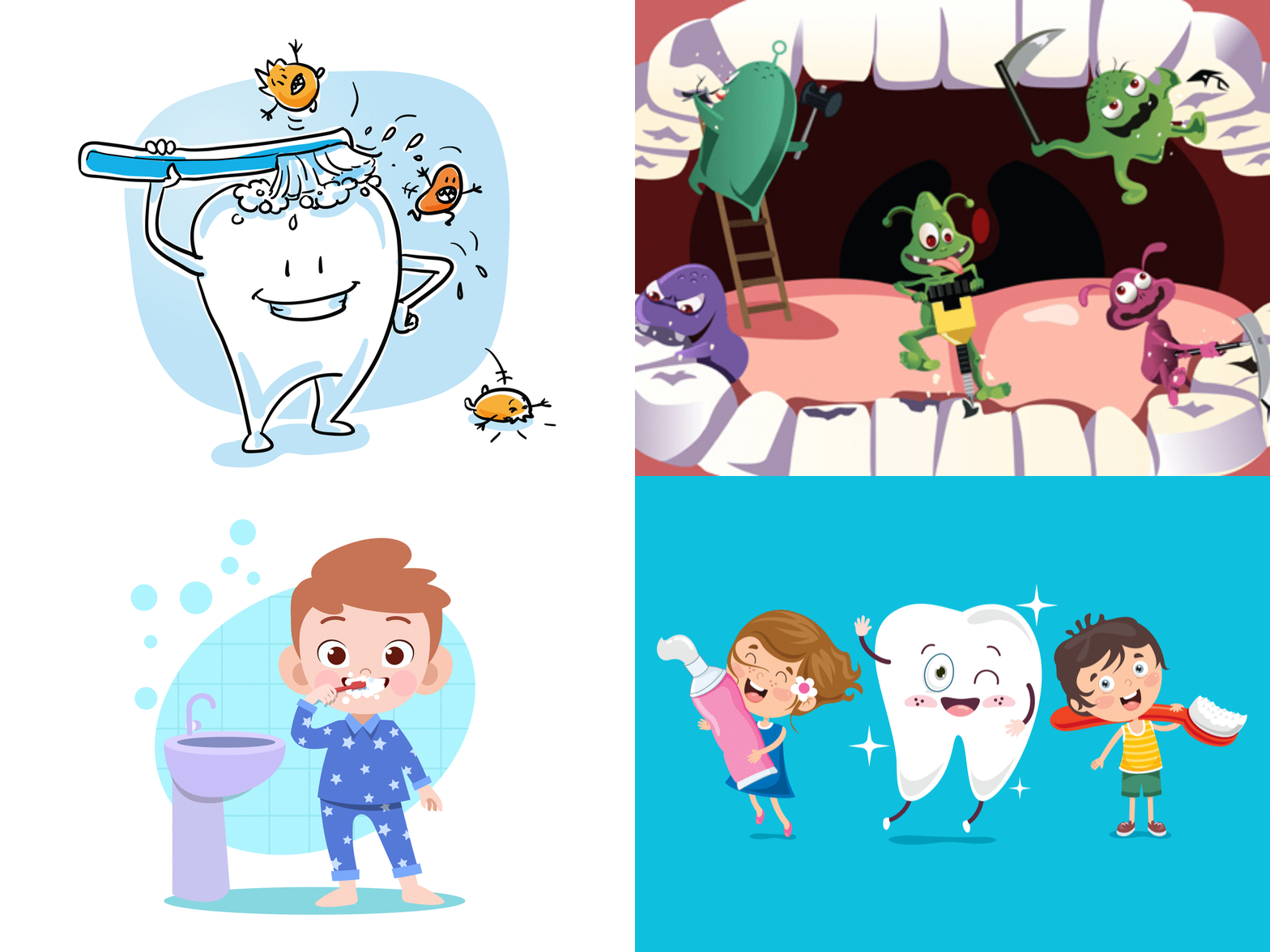
Tooth decay
Action Plan: Her dentist advised her to brush her teeth regularly using toothpaste and maintain proper oral hygiene. After following this advice, her tooth pain reduced and further damage was prevented.
What worked? Bacteria in the mouth break down food particles, especially sugars, and produce acids. These acids damage the tooth enamel, leading to tooth decay. Toothpaste is basic in nature and helps neutralise these acids, thereby protecting the teeth and preventing further decay.