

Kajal and Gokul went to a restaurant with their friends and enjoyed a delicious meal. The food was colourful and tasty, especially the dishes containing turmeric. While eating, a small drop of turmeric accidentally fell on Kajal’s dress, leaving behind a bright yellow stain.
The next day, while washing her dress with soap solution, Kajal noticed something very surprising: the yellow stain slowly began to change its colour and turned reddish-brown. She was confused and curious. How could a yellow stain suddenly change colour? Was it because of the soap? Or was there something special about turmeric?
Why did this happen?
Turmeric contains a natural substance called curcumin, which changes colour in the presence of different types of substances:
- Soap solution is a basic substance, so it turns turmeric reddish-brown.
- If an acidic substance (like lemon juice) is added, the colour changes back to yellow.
Turmeric as an Indicator:
Ready to witness the role of turmeric as an acid-base indicator?
Activity: Let's create a unique card together to surprise your dad for Father’s Day
Materials Required:
-
Turmeric
-
Water
-
White paper and paintbrush
-
Soap solution
-
Lemon juice
Instructions:
Step 1: Mix the turmeric powder with water, and your golden yellow paint is ready.
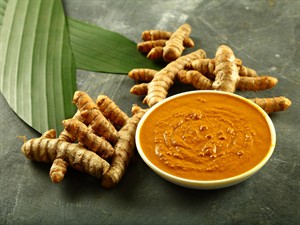
Turmeric paste
Step 2: Apply turmeric paste on white paper and let it dry.
Step 3: With the help of a paint brush or buds, write or paint your thoughts to make a card with lemon juice and soap solution on each paper, and watch what happens.
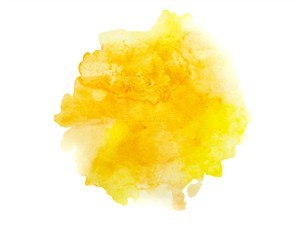
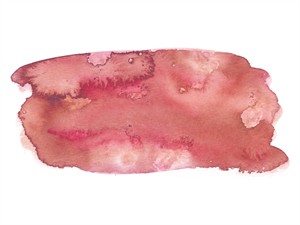
Paper painted with turmeric paste; turns red on painting with basic solution
Observation:
What is the colour of the turmeric paste?
Ans: Yellow
Did any colour changes occur when painted with lemon juice?
Ans: No
Did any colour changes occur when painted with soap solution?
Ans: Turns reddish-brown
Can you name a solution which, when used, might change colour?
Ans: Baking soda solution
Conclusion:
Turmeric has a compound named curcumin, which is responsible for the colour change.
-
Acidic solution - Stays yellow
-
Basic solution - turns reddish-brown
- Neutral solution - Stays yellow
Uses of Turmeric:
- Adds colour and flavour to dishes such as curries and rice.
- Used as a natural food colouring agent.
- Acts as an antiseptic and helps in healing wounds.
- Helps reduce inflammation.
- Used in home remedies for cold and cough.
- Applied on skin for its healing properties.
- Used as a natural indicator to test acids and bases.
Interesting fact!
Turmeric is known as the “golden spice” because of its bright golden-yellow colour. It belongs to the ginger family and is widely grown in India and many other countries. A common ingredient in daily cooking, turmeric not only adds colour and flavour to food but is also being researched for its various health benefits. In the traditional Ayurvedic system of medicine, turmeric is considered to have several healing properties and is often used in home remedies for treating wounds, cold, and other minor health problems.
Turmeric is known as the “golden spice” because of its bright golden-yellow colour. It belongs to the ginger family and is widely grown in India and many other countries. A common ingredient in daily cooking, turmeric not only adds colour and flavour to food but is also being researched for its various health benefits. In the traditional Ayurvedic system of medicine, turmeric is considered to have several healing properties and is often used in home remedies for treating wounds, cold, and other minor health problems.