

Materials around us can be grouped into metals and non-metals based on their physical properties. Physical properties are those characteristics that can be observed or measured without changing the chemical nature of the material.
Physical Properties of Metals:
1. Appearance:
Most metals are hard solids but some metals like sodium and potassium are so soft that they can be cut with a knife. There is one metal, mercury, that is found in a liquid state at room temperature, which we might have seen in thermometers.
Lustre is the property by which a material has a shiny surface. The objects made from copper, aluminium, and iron are lustrous in appearance and are hard. Lustre shown by metals is known as metallic lustre.
Because of their lustre, metals are used for making:
- Jewellery
- Decorative items
- Coins
- Kitchen utensils
2. Malleability:
Malleability is the property by which a material can be beaten or hammered into thin sheets without breaking. Gold and silver are the most malleable metals.
Malleability makes metals suitable for making:
- Aluminium foil
- Metal sheets
- Roofing sheets
- Utensils
3. Ductility:
Ductility is the property by which a material can be drawn into thin wires. Gold is so ductile that one gram of it can be drawn into a 2 kilometre-long wire.
The ductile nature of metals enables for the creation of this tea strainer with metal wire.
Ductility is useful for making:
- Electrical wires
- Power transmission cables
4. Sonority:
Sonority is the property of metals by which they produce a ringing sound when struck with a hard object.
Because of this property, metals are used for making:
- Bells
- Gongs
- Musical instruments
5. Conduction of Heat:
The transfer of heat from one point to another through a material is called conduction.
Materials that transfer heat easily are called good conductors of heat.
Good conductors of heat are used for making:
- Cooking utensils
- Pressure cookers
- Frying pans
6. Conduction of Electricity:
Materials that allow electric current to pass through them easily are called good conductors of electricity.
Metals are used for making:
- Electrical wires
- Electric cables
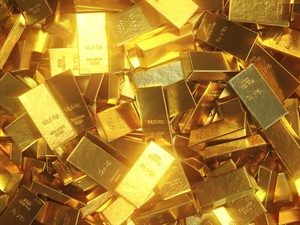 Gold
|
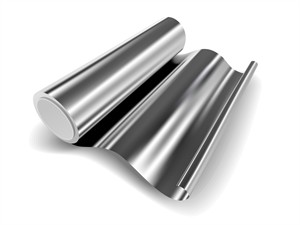 Thin sheet of metal
|
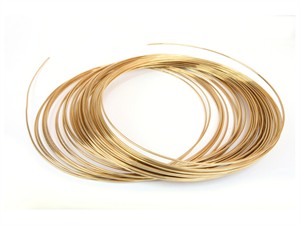 Thin wire of metal
|
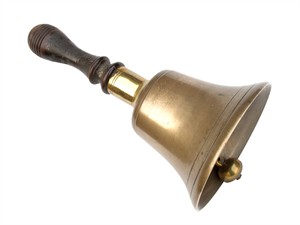 Metal bell
|
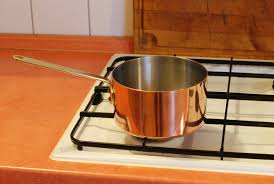 Cooking utensil
|
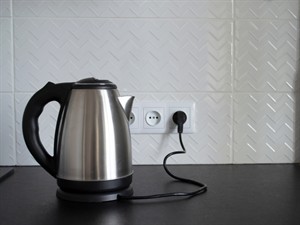 Electric kettle
|
Physical Properties of Non-metals:
Non-metals generally show properties opposite to those of metals.
1. Appearance:
Most non-metals are dull and do not have a shiny surface.
2. Brittleness:
Most non-metals are brittle. A brittle material breaks into pieces when hammered.
3. Non-ductility:
Non-metals cannot be drawn into wires.
4. Non-sonorous Nature:
Non-metals do not produce a ringing sound when struck. Instead, they produce a dull sound.
5. Poor Conductors of Heat:
Most non-metals do not allow heat to pass through them easily.
Handles of cooking utensils are often made from poor conductors so they can be held safely.
Most non-metals do not allow electric current to pass through them. They are called poor conductors of electricity.
They are used as:
- Covering of electrical wires
- Handles of electrical tools
- Switchboards

Electric wires coated with PVC
Important!
Graphite
- Graphite is a non-metal.
- It conducts electricity.
- Therefore, graphite is an exception to the general property of non-metals.