

Electricity
Electricity is a form of energy that can do work and make things happen. It is produced by the movement of electric charges. Electricity is very useful because it can be easily converted into other forms of energy such as light, heat, sound, and mechanical (motion) energy.
For example, an electric bulb converts electrical energy into light energy, while an electric heater converts it into heat energy. A fan converts electrical energy into mechanical energy, which helps in rotation.
-
Electricity is a versatile form of energy.
-
It can be easily converted into other useful forms.
-
All electrical appliances use electrical energy as input.
Uses of Electricity in Daily Life:
Electricity plays an important role in our daily activities. It is used in homes, schools, hospitals, and industries for various purposes.
Some common uses include:
-
Lighting: Bulbs, tube lights
-
Heating: Electric iron, heater, kettle
-
Cooling: Fan, refrigerator, air conditioner
-
Running machines: Mixer grinder, washing machine
-
Entertainment and communication: Television, mobile phones
Electricity makes our life easy, comfortable, and efficient.
Renewable and Non-renewable Sources of Electricity:
Electricity is produced using different sources of energy. These sources are classified into renewable and non-renewable.
Renewable Sources of Energy
Renewable sources are those that can be replaced naturally and can be used again and again. They are also called inexhaustible sources.
Example:
-
Solar energy – energy from the Sun
-
Wind energy – energy from moving air
-
Hydroelectric energy – energy from flowing water
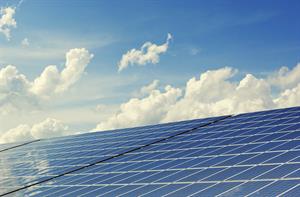
Solar Panels- Solar Energy
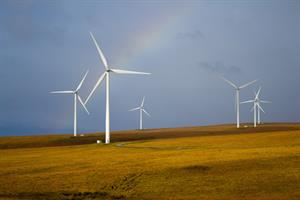
Windmills - Wind Energy
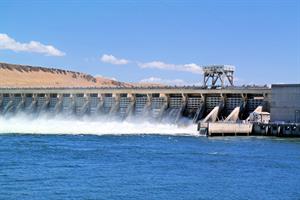
Hydroelectric energy
Non-Renewable Sources of Energy:
Non-renewable sources are those that are limited and cannot be replaced quickly. They take millions of years to form
-
Example:
-
Thermal energy (from coal)
-
Petroleum
-
Natural gas
-
These sources can cause pollution and may get exhausted if overused.
Important Points:
-
Renewable = Replaced quickly, less pollution
-
Non-renewable = Limited, more pollution
-
We should use renewable sources more to protect the environment
Energy Conversion in Electrical Appliances:
Electrical appliances work by converting electrical energy into other useful forms.
Examples:
-
Bulb → Electrical energy to light energy
-
Heater → Electrical energy to heat energy
-
Fan → Electrical energy to mechanical energy
-
Television →Electrical energy to light and sound energy
This process is called energy conversion.
-
Electrical energy is the input energy.
-
The produced form is called output energy.
-
Different appliances give different outputs.