

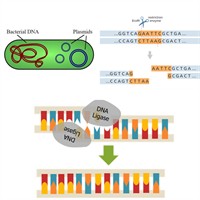
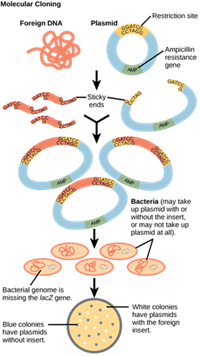
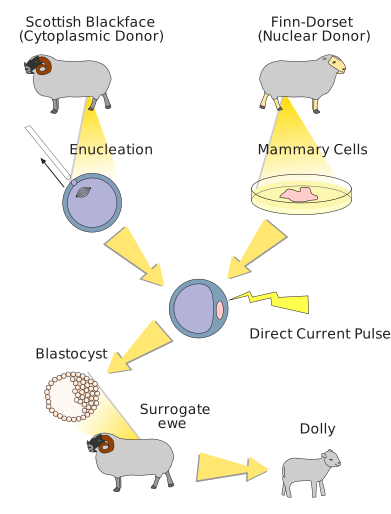
Biotechnology uses living organisms or their components to develop products for human welfare, and through genetic engineering it produces recombinant therapeutic proteins such as insulin, human growth hormone, blood clotting factors, and vaccines for treating diseases.
Genetically engineered insulin:
-
Insulin, produced by -cells of the pancreas, is first formed as proinsulin (A, B, and C chains), where the C-peptide is removed to produce active insulin.
-
In 1983, Eli Lilly produced recombinant insulin (Humulin) by inserting A and B chain genes into E. coli and later joining them with disulfide bonds.
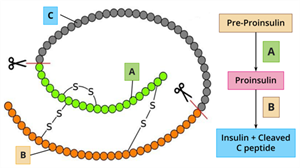
Synthesis of insulin from proinsulin
Gene therapy:
-
Gene therapy treats genetic disorders by replacing a faulty gene with a normal functional gene using recombinant DNA technology.
-
It is of two types: germline gene therapy (gene replacement in germ cells) and somatic gene therapy (gene replacement in body cells).
-
Currently, gene therapy is mainly applied to somatic cells to treat diseases such as SCID, Duchenne muscular dystrophy, and cystic fibrosis.
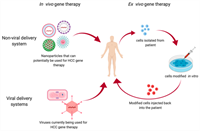
Gene therapy
Stem cells:
-
Stem cells are undifferentiated cells with potency, capable of self-renewal and differentiation into specialised cells.
-
Two types: Embryonic stem cells (from blastocyst, can form any body cell) and Somatic/adult stem cells (found in bone marrow, umbilical cord, etc.).
-
Stem cell therapy uses stem cells to replace damaged tissues or cells in diseases such as Parkinson’s and Alzheimer’s.
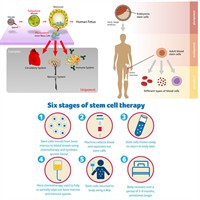
Embryonic stem cells, Adult stem cells, and stem cell therapy for leukemia
DNA Fingerprinting:
-
DNA fingerprinting, developed by Alec Jeffreys, identifies individuals by analyzing unique DNA sequences.
-
It uses VNTRs (Variable Number of Tandem Repeats) found in the\(\ 1%\) variable satellite DNA of the human genome.
-
Applications include forensic identification, paternity testing, diagnosis of genetic disorders, and population genetic studies.
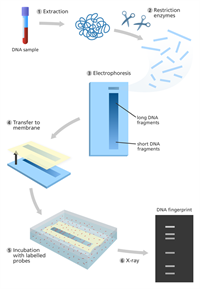
Steps involved in DNA fingerprinting
Genetically modified organisms (GMO):
-
Genetic modification uses recombinant DNA technology to insert a transgene, producing transgenic (GM) plants and animals with desirable traits.
-
Transgenic plants show better nutrition, higher yield, and pest resistance (e.g., Golden Rice with -carotene, Bt crops resistant to insects).
-
Transgenic animals are developed to improve livestock quality and produce therapeutic proteins (e.g., transgenic sheep and salmon).
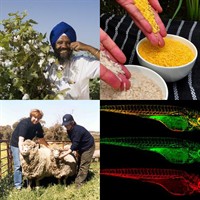
Bt cotton, Golden rice, Transgenic zebra fish larva and Transgenic sheep