

Animal hormones
In animals, coordination is brought about not only by the nervous system but also by chemical substances called hormones.
Endocrine glands
Endocrine glands are ductless glands that release hormones directly into the blood. The major endocrine glands in humans include pituitary, thyroid, parathyroid, pancreas, adrenal glands, testes and ovaries. Each gland secretes specific hormones that control particular body functions.
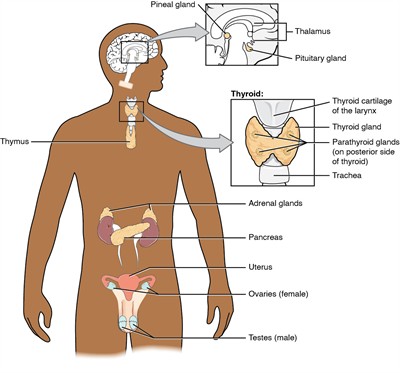
Endocrine glands in the human beings
Pituitary gland – master gland
The pituitary gland is called the master gland because it controls the activities of other endocrine glands. It secretes growth hormone, which regulates normal growth and development of the body. Excess secretion of growth hormone causes gigantism, while deficiency leads to dwarfism.
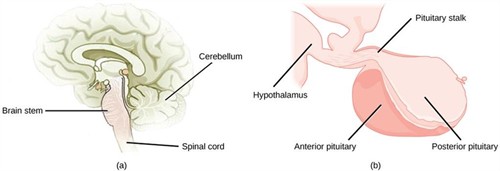
Attachment of the hypothalamus with pituitary gland
Thyroid gland
The thyroid gland secretes the hormone thyroxine, which regulates metabolism of carbohydrates, proteins, and fats. Iodine is essential for the production of thyroxine. Deficiency of iodine results in goitre. Proper functioning of the thyroid gland is necessary for normal growth and energy release.
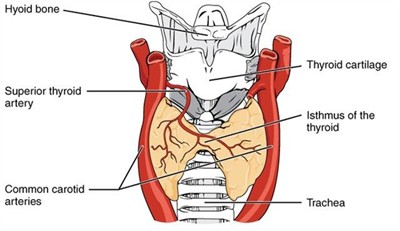
Thyroid gland
Parathyroid gland
The parathyroid glands regulate the level of calcium and phosphorus in the blood. Calcium is essential for healthy bones, teeth, and muscle contraction. Any imbalance in parathyroid hormone levels affects bone strength.
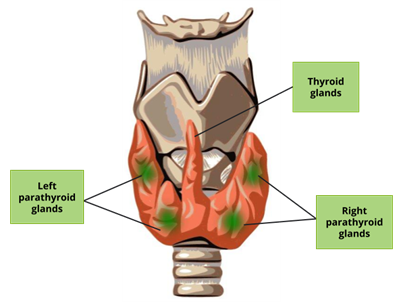
Posterior view of parathyroid glands
Pancreas
The pancreas is a heterocrine gland that acts as both an endocrine and an exocrine gland. Its endocrine part secretes insulin and glucagon. Insulin lowers blood glucose level, while glucagon increases it. Deficiency of insulin causes diabetes mellitus.
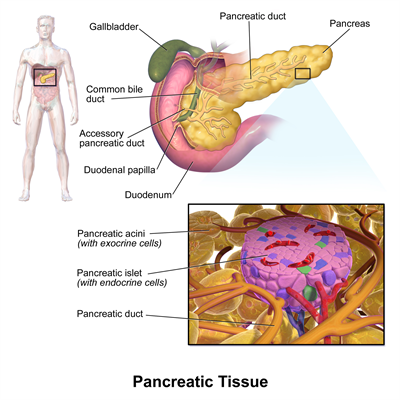
Pancreas
Adrenal gland
The adrenal glands/suprarenal glands secrete adrenaline, known as the emergency hormone. It prepares the body for stressful situations by increasing heart rate, blood pressure, and breathing rate. Adrenaline helps the body respond quickly during fear or excitement.
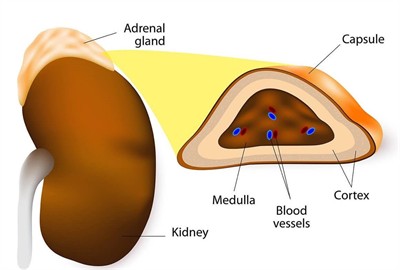
Adrenal gland
Sex hormones
The testes secrete testosterone, which is responsible for male secondary sexual characteristics such as deep voice and facial hair. The ovaries secrete oestrogen and progesterone, which regulate the menstrual cycle and development of female secondary sexual characters.
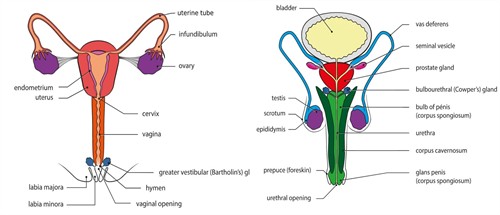
Female and male reproductive systems
Importance of hormonal balance
Hormones must be secreted in proper amounts for normal body functioning. Excess or deficiency of hormones leads to hormonal disorders affecting growth, metabolism, and reproduction.
Animal hormones play an essential role in chemical coordination. Endocrine glands secrete hormones that regulate growth, metabolism, reproduction and internal balance. Proper hormonal balance ensures healthy functioning of the body.