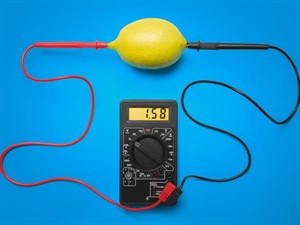
Step 1: Take a fresh, juicy lemon, two different metal electrodes (such as a copper strip/wire and an iron nail), connecting wires, and a digital multimeter.
Step 2: Insert the copper electrode and the iron electrode into the lemon, keeping them apart so that they do not touch each other.
Step 3: Connect the copper electrode to the positive (red) probe of the multimeter using a connecting wire.
Step 4: Connect the iron electrode to the negative (black) probe of the multimeter.
Step 5: Set the multimeter to measure voltage and observe the reading displayed on the screen.
Observation:
The multimeter shows a small voltage reading.This indicates that an electric potential difference is produced between the two metal electrodes inserted in the lemon.
Conclusion:
- The voltage reading on the multimeter confirms that the lemon cell is working.
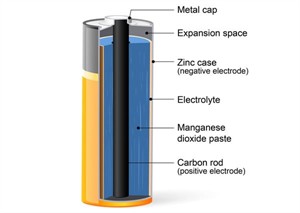
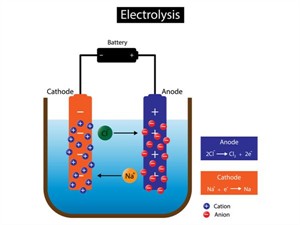
- The copper wire and iron nail act as electrodes, while the lemon juice acts as the electrolyte that allows the chemical reaction to take place.
- This activity demonstrates that chemical energy can be converted into electrical energy.
- Multiple lemons connected in series can produce a higher voltage capable of lighting an LED.